Say Habibi: Simple Ways to Bridge the Cultural Divide
When Abdul El-Sayed exclaimed “JD, Habibi!” to Vice President JD Vance upon winning the Michigan race for Senate, I’m not sure he realized he’d also launched a simple way to bridge the cultural divide. Memes, music, and T-shirts instantly followed that viral moment.
If you’ve ever lived in the Middle East (as I have), I’m sure you’ve heard Habibi bandied about. But what does it really mean? Directly translated, it simply means my dear, my love, my beloved. Yet, depending on tone of voice, facial expressions and body language, it can mean so much more.
Between men, it’s more like dude or bro – anything from a challenge to a brotherly slap on the back. It’s fun to run off your tongue, but more deeply, are Americans ready to accept the first Muslim elected to the U.S. Senate as Habibi?
Love Thy Neighbor: Another Simple Way to Bridge the Cultural Divide
By contrast, when James Talarico, the newly elected Senator from Texas, compared himself to Biblical David and his opponent to Goliath from a podium with a huge sign that read Love Thy Neighbor, why did that metaphor land so smoothly? Quite simply because Christian references are as familiar as, well, apple pie, despite the many creeds in the US.
I’m Da Mayor: A Rainbow Across the Cultural Divide
Likewise, when Willie Brown emblazoned, “I’m Da Mayor!” in technicolor over the City Hall dome upon becoming the first African American Mayor of San Francisco in 1996, his ethnic lingo didn’t faze the grammar police.
Unclear on Bridging the Cultural Divide
Yet some folk still miss the memo. While doom-scrolling on my phone recently (yes, I admit it), I couldn’t resist a Q&A clip when a roving reporter asked a random man:
“Should religion be taught in schools?”
“Yes, just not the Muslim Torah,” replied the man.
“What about the Jewish Quran?” quipped the reporter.
“Well…ugh, that would be okay,” answered the man.
Bridging the Cultural Divide: A Work in Progress
How long it will take for America to fully embrace its many newcomer communities, each with their own traditions, is an open question. Call me an eternal optimist, but I look forward to the day when Habibi will truly enrich our pluralistic nation. Maybe we’ll even be heard to say Shalom, Habibi! as we cross yet another cultural divide.
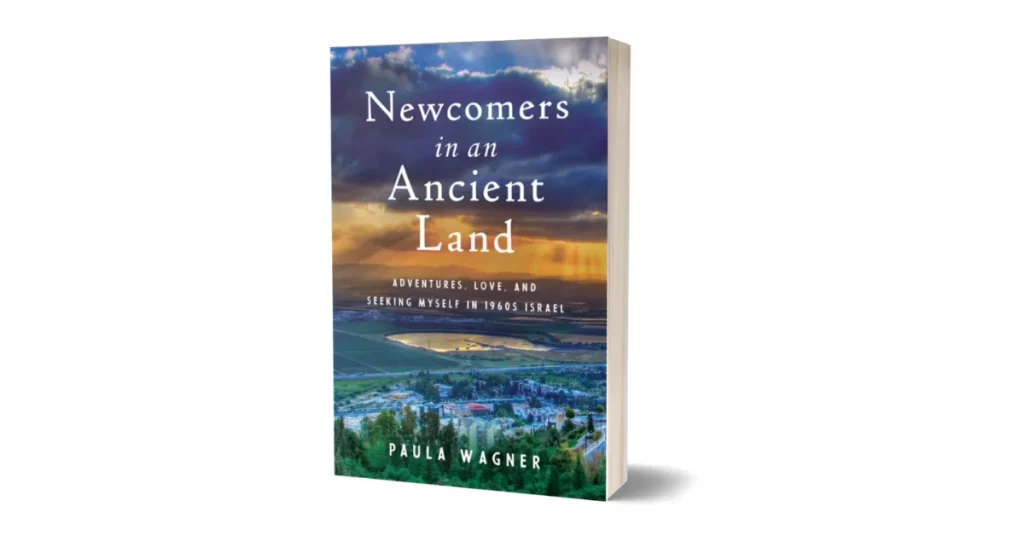
My own newcomer years in 1960s Israel fill the pages of my memoir, Newcomers in an Ancient Land.